
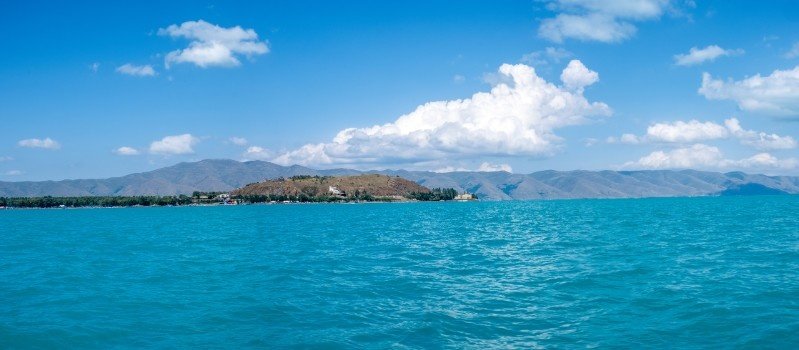
Armenia, located in the South Caucasus region of Eurasia, is a landlocked country bordered by Turkey to the west, Georgia to the north, Azerbaijan to the east, and Iran to the south. Yerevan, the capital and largest city, sits on the western border. The diverse landscape includes mountains, with Mount Ararat being a prominent landmark, and the fertile Ararat Plain. Lake Sevan, one of the worlds highest freshwater lakes, enhances the natural beauty of the country. The climate varies from continental to mountainous, contributing to the local rich biodiversity.
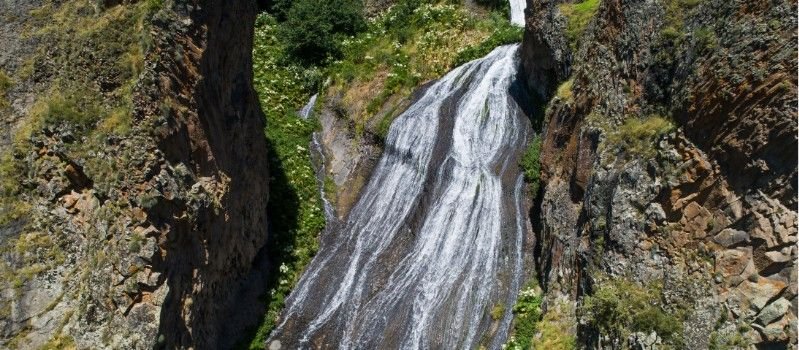
Besides rich history and architecture, the country has still a lot to offer. Armenian nature boasts a diverse and picturesque landscape. The country is characterized by mountainous terrain, including the majestic peaks of the Armenian Highlands. Mount Ararat, an iconic symbol, dominates the southwestern skyline. Lush valleys and the fertile Ararat Plain contribute to agricultural richness. Lake Sevan, the largest lake in the region, enhances natural beauty. Surrounded by mountains, it provides a habitat for various species of flora and fauna. The Dilijan National Park, known as the “Little Switzerland” of Armenia, showcases dense forests, crystal-clear streams and diverse wildlife. Overall, Armenian nature reflects a harmonious blend of stunning landscapes and unique biodiversity. Thus, if you want to loose yourself in the peace of nature and enjoy the waterfalls and deep gorges, feed your mind and soul in the lap of virgin beauty of nature, you are welcome to Armenian Highlands. If you are seeking for adventures, no worries, the country has a lot to offer. Starting from trekking or camping in nature , bird watching at special lake areas to jeep tours in the mountains where at every step one can discover the hidden gems of Armenia- everything is possible in this Highlands!
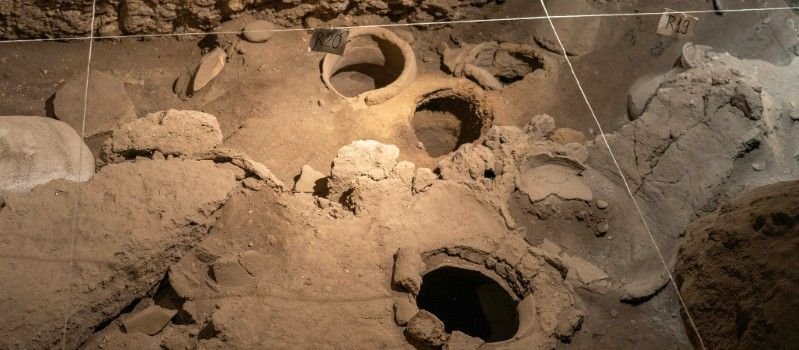
Armenian history spans millennia, with a rich cultural and historical heritage. Being one of the world oldest civilizations, Armenia has a documented history dating back to the 6th century BC. The Kingdom of Urartu, located on Armenian Highlands, existed around 9th-6th centuries BC. In AD 301, Armenia became the first nation to adopt Christianity as its state religion, a defining moment in its history. Over the centuries, it endured invasions, Persian rule, Byzantine influence, and the Arab Caliphate. The medieval period saw the establishment of the Kingdom of Cilicia, a powerful Armenian state in the Levant. However, by the 16th century, Armenia fell under Ottoman and Safavid Persian dominance. The 20th century brought significant challenges, including the Armenian Genocide during World War I, where an estimated 1.5 million Armenians perished. Armenia became a Soviet republic in 1920 and gained independence in 1991 following the collapse of the Soviet Union. Modern Armenia faces geopolitical complexities, but its history reflects resilience, cultural contributions, and a deep sense of identity.
Armenia experiences a diverse climate influenced by its mountainous terrain. The country generally has a continental climate, characterized by hot summers and cold winters. Summers, from June to August, are warm with temperatures often exceeding 30°C (86°F) in lowland areas. However, higher elevations provide cooler temperatures. Winters, from December to February, can be quite cold, especially in mountainous regions, with temperatures dropping below freezing. Snowfall is common during winter, contributing to the picturesque landscapes. Spring and autumn are transitional seasons, offering milder temperatures and colorful scenery. Due to its varied topography, microclimates exist, influencing local weather patterns. Lake Sevan also plays a role in regional climate moderation. Overall, climate in Armenia provides distinct seasonal changes, creating a unique and diverse environment.
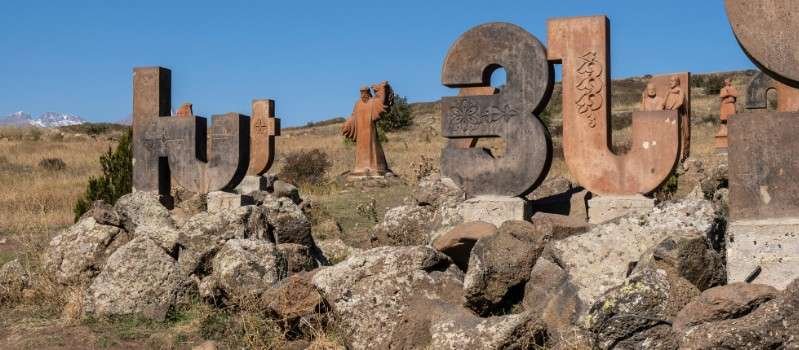
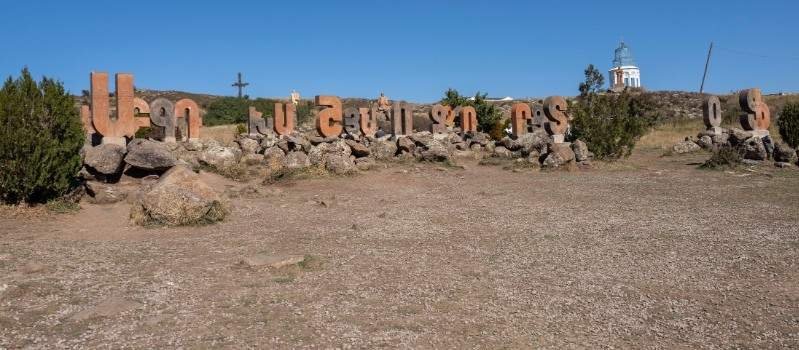
Armenian is an Indo-European language with a unique script, making it distinct from other language families. It has its own branch within the Indo-European family, known as the Armenian language family. The alphabet was invented by Saint Mesrop Mashtots in the early 5th century AD. Armenian has a rich literary tradition, with notable historical works and a vibrant contemporary literature. The language plays a crucial role in preserving and expressing Armenian cultural identity.
As of last update in January 2022, Armenia had a population of around 2.9 million people. Yerevan, the capital and largest city, is the most populous urban center. The majority of Armenians are ethnic Armenians, and the primary language spoken is Armenian. The diaspora plays a significant role in Armenian demographics, with Armenians residing in various countries around the world due to historical events, including the Armenian Genocide. This global Armenian community contributes to the cultural and economic ties with the homeland.
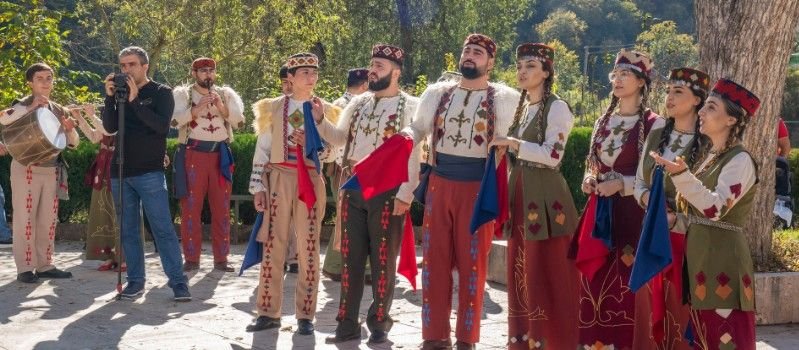
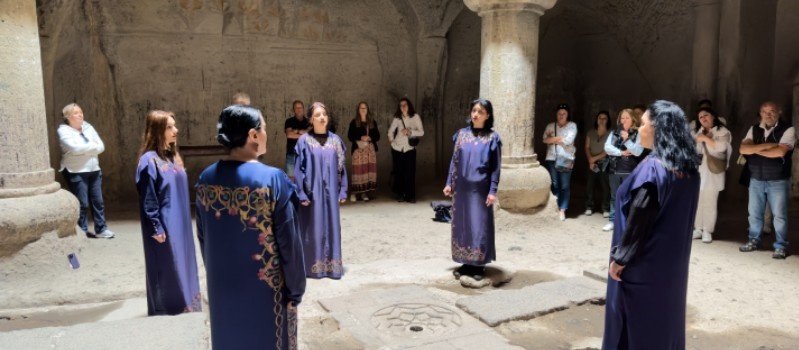
Armenian culture is a tapestry woven with a deep history, vibrant traditions, and a strong sense of identity. Here are some key aspects of Armenian culture:

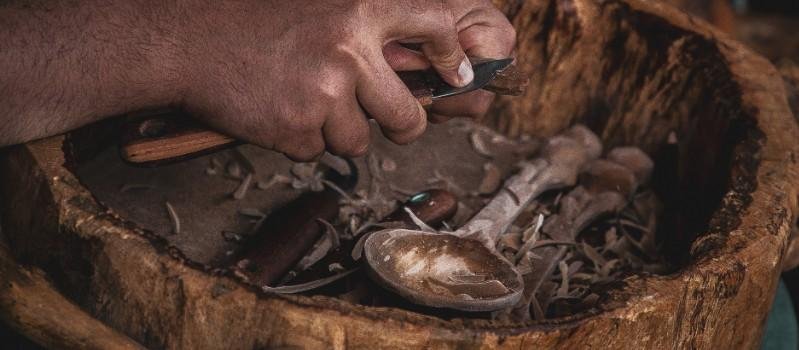
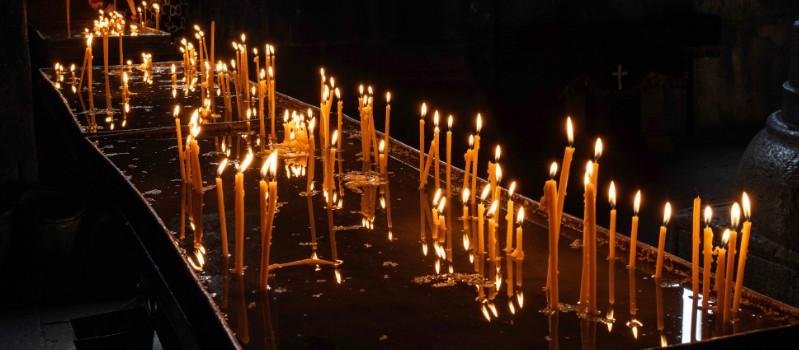
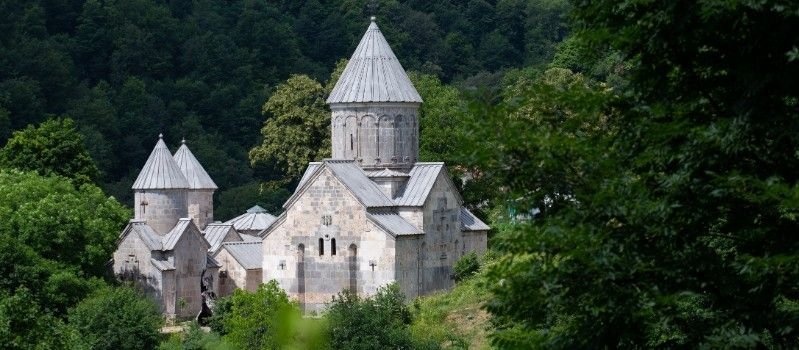
Armenia was the first nation to officially adopt Christianity as its state religion in AD 301. The Armenian Apostolic Church, an ancient Oriental Orthodox church, plays a central role in the spiritual and cultural life of Armenians. The head of the church is the Catholicos of All Armenians, based in the Holy See of Echmiadzin. Echmiadzin Cathedral, located in Vagharshapat, is one of the oldest churches in the world and holds great significance as the mother church of the Armenian Apostolic Church. Other notable religious sites include Geghard Monastery and numerous historic churches.
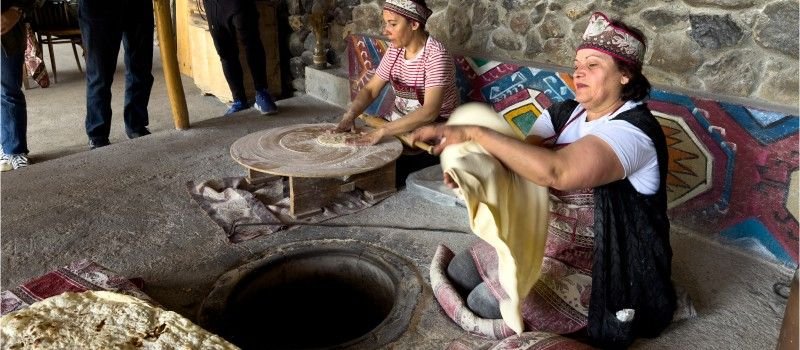
Armenian cuisine is renowned for its rich flavors, diverse dishes, and unique culinary traditions. Here are some highlights of Armenian cuisine:

Armenia has a relatively liberal visa policy. However, visa regulations may change, and its crucial to check the latest information. Heres a general overview:
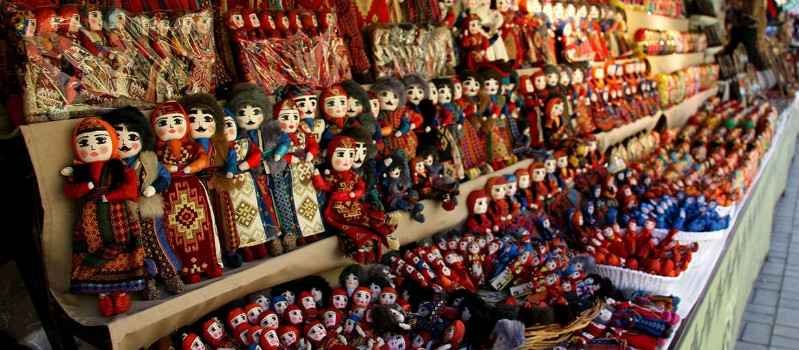
Armenia offers diverse shopping experiences, ranging from traditional markets to modern shopping centers. Some notable places for tourist shopping include:

The official currency of Armenia is the Armenian Dram, abbreviated as AMD. The symbol for the Armenian Dram is ֏, and its ISO code is AMD. Banknotes and coins are in circulation, with denominations ranging from small values to higher denominations.
Its advisable to check for any updates or changes in the currency information since exchange rates and other currency-related details can fluctuate. You can obtain Armenian Dram at local banks, exchange offices, or ATMs in Armenia. Major credit cards are also widely accepted in urban areas and tourist destinations.

Plan your unforgettable journeys with our meticulously curated tours. Explore breathtaking landscapes, immerse yourself in vibrant culture of Armenia and create lasting memories with 7Sundays Tour.
Yerznkyan 1-36 Yerevan, RA Postal code 0033
Info@7sundaystour.com